The Ozone Layer Is Healing: When Will It Fully Recover?
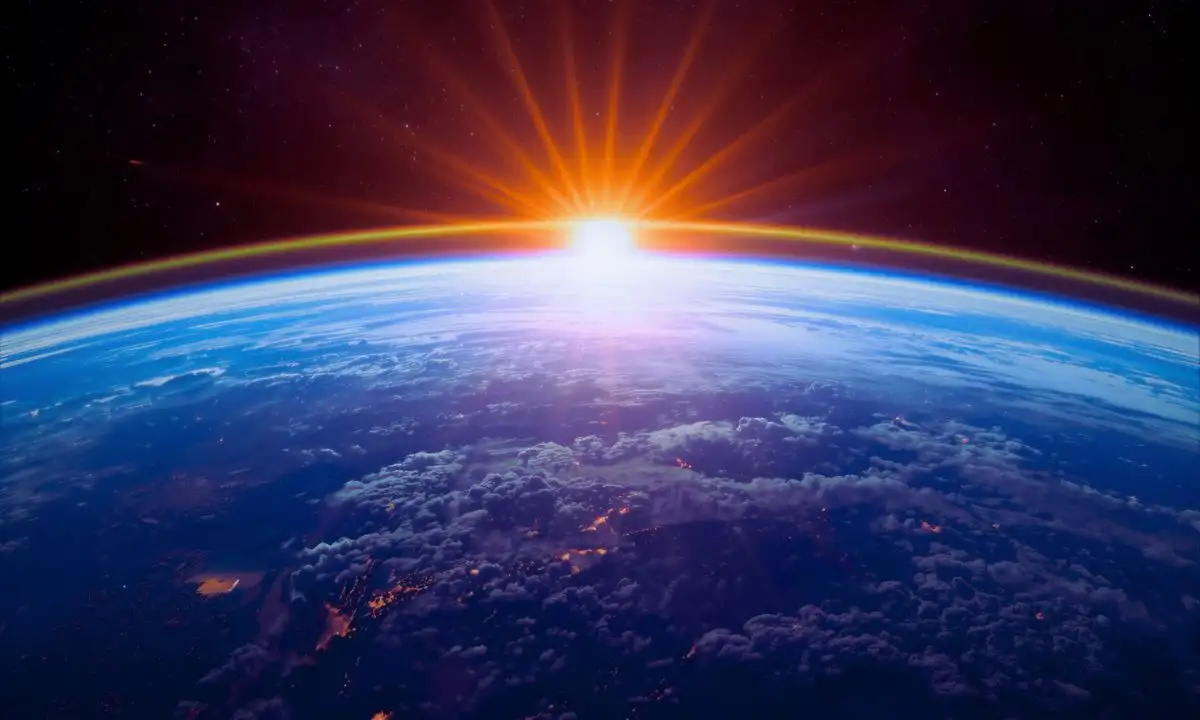
The Earth’s ozone layer is healing. The Earth’s protective layer against harmful rays of the Sun is on track to recovery in the coming decades, according to the latest World Meteorological Organization’s Ozone and UV Bulletin No. 3. Scientists say it could return to pre-1980 levels in the coming decades.
The 2024 Antarctic ozone hole was smaller than in recent years, according to the WMO Ozone Bulletin, released on the occasion of World Ozone Day (September 16). Natural fluctuations can still play a critical role; however, the long-term trend in recovery shows the positive outcomes achieved through global efforts to phase out ozone-depleting substances.
This year also marks 40 years of the Vienna Convention, which was the first global treaty to recognize ozone depletion as a problem and the first convention of any kind that is ratified by all UN member states. The global convention paved the way for the Montreal Protocol which became the binding agreement that helped phase out over 99% of controlled ozone-depleting substances once used in refrigeration, air conditioning, foams, and sprays.
The Vienna Convention (1985) set the framework for global cooperation on ozone protection. The Montreal Protocol (1987) created binding rules for countries that ratified the agreement to phase out ozone-depleting substances.
According to the U.S Environmental Protection Agency,
“The Earth’s ozone layer protects all life from the sun’s harmful radiation, but human activities have damaged this shield. Less ozone-layer protection from ultraviolet (UV) light will, over time, damage crops and lead to higher skin cancer and cataract rates.”
The Montreal Protocol has already phased out over 99% of controlled ozone-depleting substances used in refrigeration, air conditioning, firefighting foam, and other products.
The bulletin states,
“To date, the Montreal Protocol has led to the phase-out of over 99% of the production and consumption of controlled ozone-depleting substances. As a result, the ozone layer is now on track to recovery by the middle of the 21st century, significantly reducing risks of skin cancer, cataracts, and ecosystem damage due to excessive UV exposure.”
In 2024, the Antarctic ozone hole reached a maximum deficit of 46.1 million tonnes on 29 September, as per WMO, the depth of the 2024 Antarctic ozone hole being below the 1990–2020 average.

This was smaller than the larger holes seen between 2020-2023 as noted by WMO, “the 2024 ozone hole marks a break in the recent trend of deep and long-lasting holes observed from 2020 to 2023.” The hole appeared later than usual and recovered more quickly as well.
The Kigali Amendment (2016) aims to reduce hydrofluorocarbons (HFCs), which do not deplete ozone but contribute to global warming. Full implementation could prevent up to 0.5°C of warming by 2100, the report has stated. The amendment is currently ratified by 164 countries.
“If current policies remain in place, the ozone layer is expected to recover to 1980 values (before the appearance of the ozone hole) by around 2066 over the Antarctic, by 2045 over the Arctic and by 2040 for the rest of the world, according to the most recent assessment in 2022. The next assessment will be in 2026.”
WMO mentions in their press release.