Billions at Risk as Glaciers Melt Faster Than Ever – UN Report

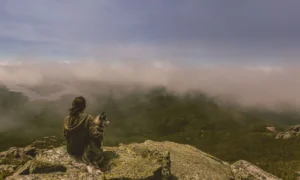
Mountains are the world’s “water towers.” Their glaciers and snowpacks store and release fresh water that sustains billions of people by keeping rivers flowing, irrigating crops, powering stations, and supporting ecosystems.
Mountains, as the world’s water towers, store ice and snow in winter and release fresh water in warmer seasons. This sustains downstream users. Mountains shape the global water cycle and influence weather and rainfall.
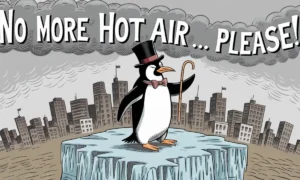
But those towers are melting — and faster than ever.
Since 2000, the world has lost around 7 trillion tons of glacier ice, accelerating each decade. In the Indus River discharge, glacier melt contributes more than one-third of river flow, making it a lifeline for millions downstream.
The 2025 released UN World Water Development Report 2025 – Mountains and Glaciers: Water Towers warns that climate change, unsustainable development, and rising demand are putting mountain waters under extreme stress.
When water is uncertain, so are food, energy, and sanitation. Water is the lifeline for life on Earth.
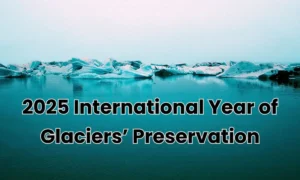
The year 2025 has been declared the International Year of Glaciers’ Preservation, with 21 March marked as World Day for Glaciers.
The State of Our Water
According to the report data, agriculture dominates global water use, taking nearly 70% of freshwater withdrawals. Industry follows with around 15–20%, while households account for the rest.
Globally, about 70% of freshwater goes to agriculture, nearly 20% to industry, and around 12% to households.

UN World Water Development Report
Since 2000, global withdrawals have risen by about 14%, driven more by rapid economic development and urbanization than population growth.
Today, about a quarter of the world’s population lives in countries facing extremely high water stress every year. As per publicly available statistics, four billion people experience severe water scarcity for at least part of the year.
On top of that, 2.2 billion people still lack access to safely managed drinking water. And 3.5 billion remain without safe sanitation.
“More than 275,000 glaciers worldwide cover approximately 700,000 km². Together with ice sheets, glaciers store about 70% of the global freshwater resources. High mountain regions are the world’s water towers. Depletion of glaciers therefore threatens supplies to hundreds of millions of people who live downstream and depend on the release of water stored over past winters during the hottest and driest parts of the year. In the short-term, glacier melt increases natural hazards like floods.”
The World Meteorological Organization (WMO) said in a press release earlier this year.
A recent Nature (2025) published study found that between 2000 and 2023, glaciers lost 6,542 billion tons of ice—about 273 billion tons per year. This melt reduced global glacier volume by 5% and added 18 mm to sea-level rise, with each millimeter putting 200,000 to 300,000 people at risk of flooding each year. Glaciers are now the second-largest contributor to sea-level rise after ocean warming.
Mountains Under Pressure: Melting Glaciers, Rising Risks, and Global Water Insecurity
Mountains supply fresh water downstream for billions, influencing agriculture, energy, industry, and biodiversity. Their glaciers, however, are melting at record speed. Snowmelt timing is shifting, floods are becoming more frequent, and dry-season flows are shrinking. Soot, dust, and wildfires darkening the ice only accelerate the loss, according to the report analysis.
The consequences reach far beyond mountain valleys. Glacial lake outburst floods, landslides, avalanches, and erosion threaten not only local communities but also cities, farms, and industries far below.
Around 1.1 billion people live in mountain regions, most of them in growing towns and cities. They face fragile infrastructure, higher costs of living, and growing exposure to hazards.
The UN report is clear: slowing this crisis requires both mitigation and adaptation. Carbon emissions must be cut drastically to slow glacial retreat. There is also the need of practical adaptation measures which include better monitoring of glacial lakes, early warning systems for hazards, and restoration of fragile mountain ecosystems.
Moreover, governance must catch up too, since mountain waters cross borders, sectors, and communities. Climate diplomacy plays a very critical role going ahead.
Progress on SDG 6 (clean water and sanitation) is already off track. Three out of four people currently live in water-insecure countries. More people die from a lack of safe drinking water, sanitation, and hygiene (WASH) services than from water-related disasters, according to the United Nations University Global Water Security 2023 Assessment.
Climate change is melting glaciers, reducing snow, thawing permafrost, and intensifying rainfall and hazards. Water flows are becoming more variable and uncertain affecting billions worldwide.